
Tips & Info
What is RSVP in a wedding invitation card?
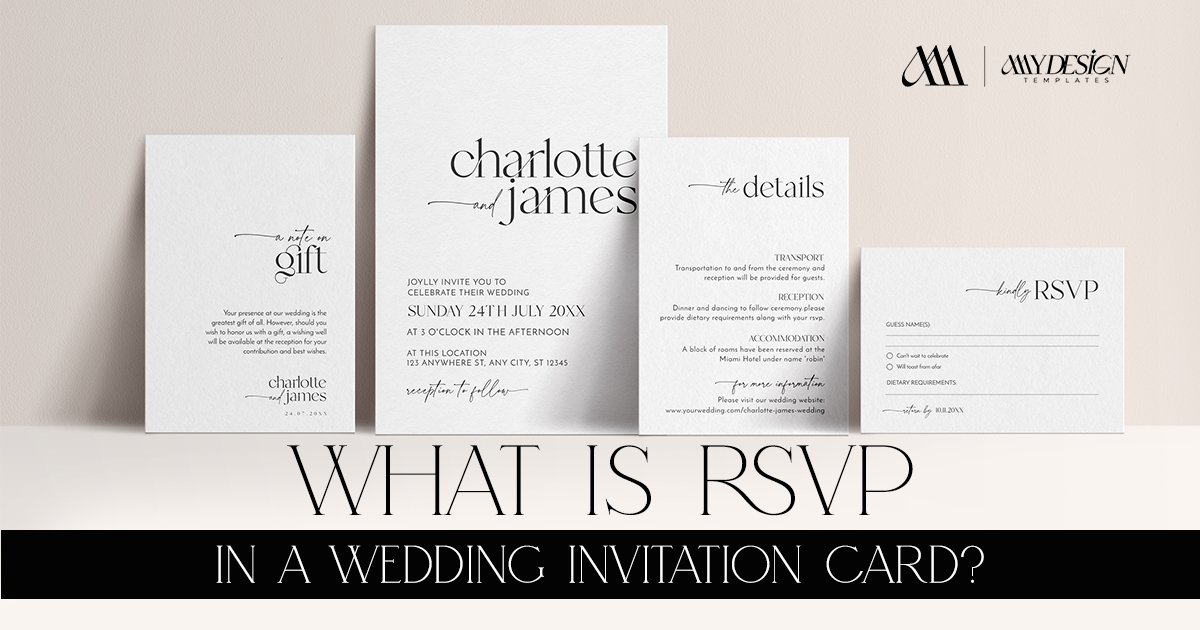
Receiving a wedding invitation is a moment of pure joy. It’s a beautiful, tangible piece of a love story, inviting you to witness a milestone. As you admire the design and feel the quality of the paper, your eyes will inevitably land on a small but crucial detail: the RSVP card. But what is RSVP in a wedding invitation card? And why is it so important?
Whether you’re a guest ready to celebrate or a couple designing a perfectly matched invitation suite, Amy Design Templates will demystify everything about the wedding invitation RSVP, from its elegant origins to modern-day etiquette.
The Simple Meaning Behind “RSVP” in wedding invitations
From French Courts to Modern Weddings
What is RSVP in a wedding invitation card? The term “RSVP” is an abbreviation of the French phrase Répondez s’il vous plaît, which simply translates to “Please respond.”
This polite request originated in the formal courts of 18th-century France and has since become the global standard for requesting a reply to an invitation, especially for significant events like weddings.
Why is the RSVP in wedding invitations so crucial?
A timely response is more than just good manners; it’s the single most critical piece of information a couple needs to finalize their wedding plans.
For the Happy Couple (The Hosts)
For engaged couples, the RSVP count directly impacts almost every decision. It’s the key to:
- Giving a Final Headcount: Caterers and venues require a precise number of guests to prepare the right amount of food and arrange seating.
- Creating the Seating Chart: It’s impossible to plan who sits where without knowing who is coming.
- Managing the Budget: The final guest count often determines the final cost, from meals to wedding favors.
- Finalizing Details: Everything from the number of programs to the size of the cake depends on knowing how many people will be celebrating with them. Following the ultimate wedding planning checklist becomes much easier with accurate numbers.
For the Honored Guest
As a guest, your RSVP is your way of showing respect and excitement for the couple. By responding promptly, you are:
- Honoring Their Investment: You acknowledge the significant time, effort, and expense they are putting into hosting you.
- Securing Your Place: Your “yes” guarantees your meal, your chair, and your spot at the celebration.
- Helping Your Loved Ones: You are relieving stress for the couple by giving them the information they desperately need to finalize their dream day.
Decoding the Wedding RSVP Card: A Step-by-Step Guide
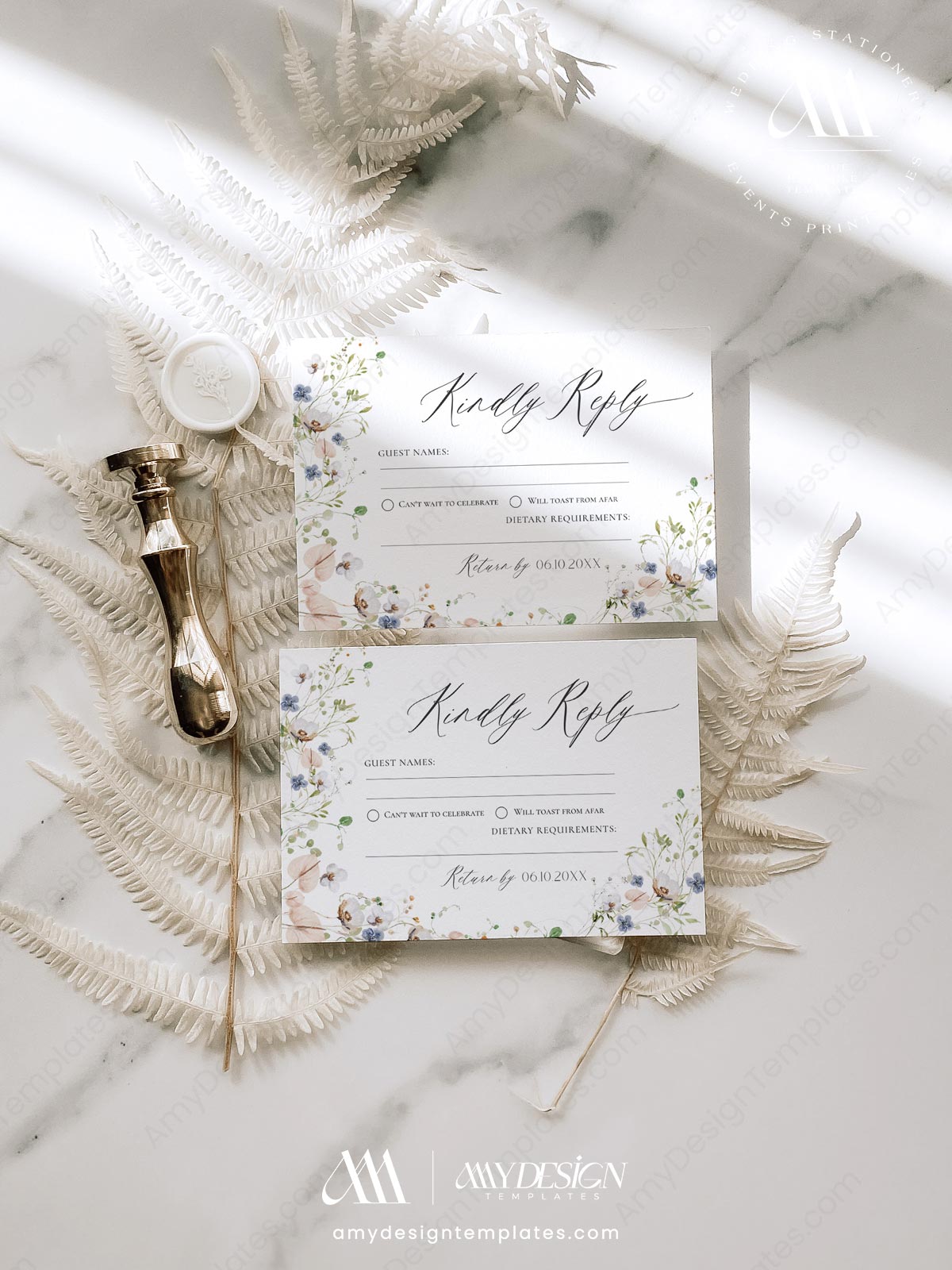
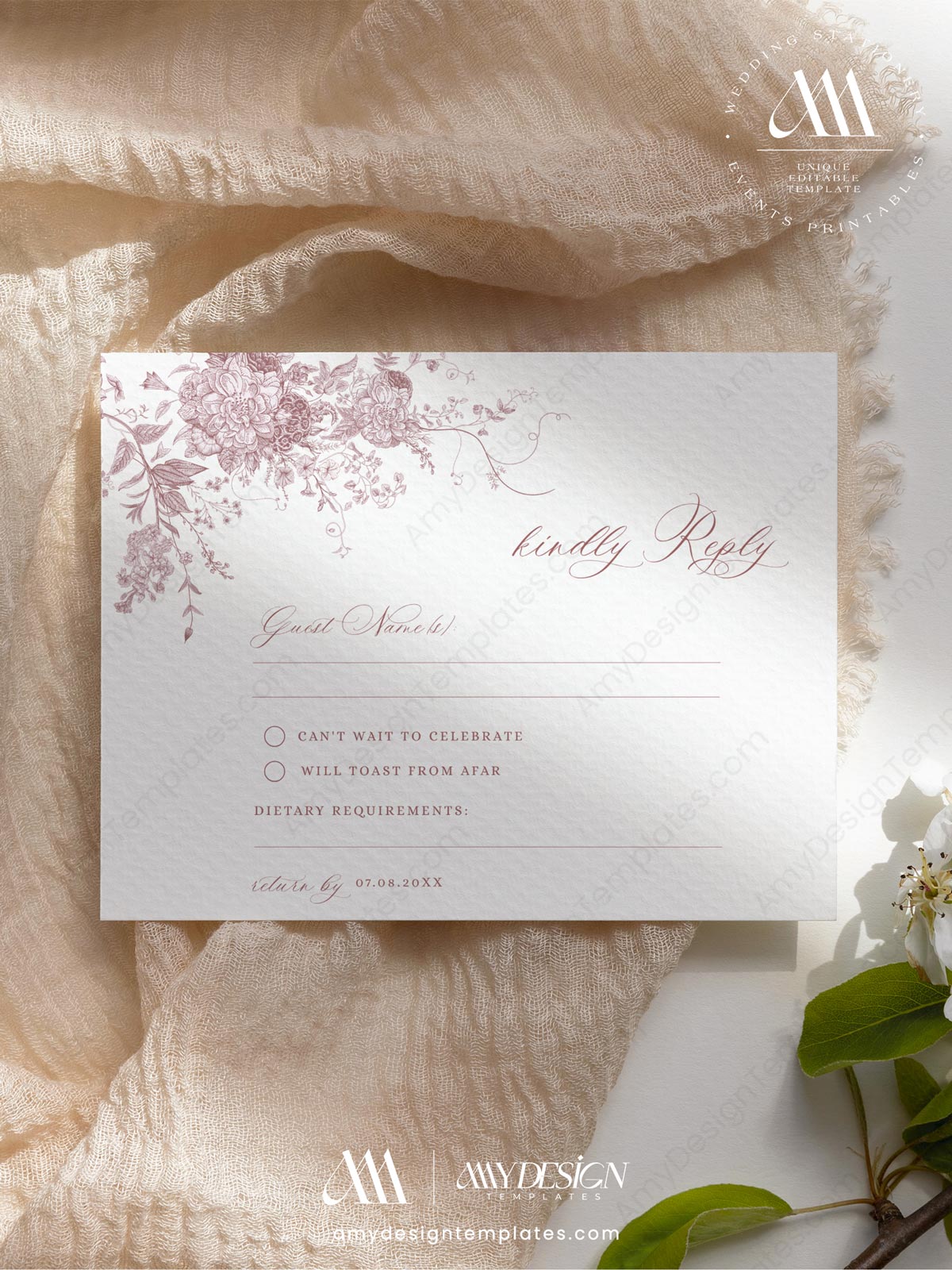
Filling out a reply card is simple, but a few elements can sometimes cause confusion. Let’s break down a typical RSVP card, like one you’d find in the countless gorgeous RSVP card designs available today.
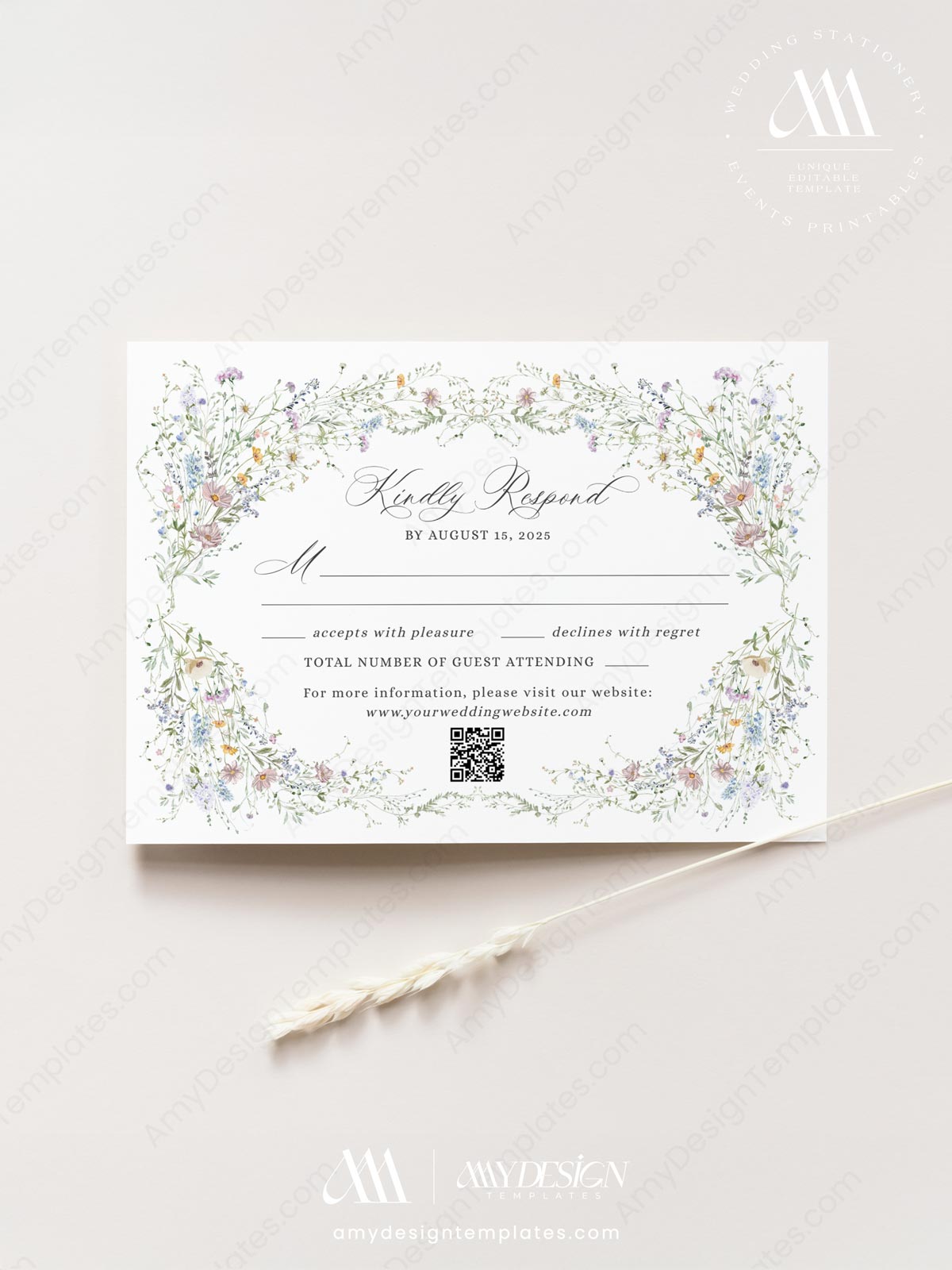
The “M” Line Explained
This is perhaps the most common question. The “M” on the name line is a traditional prompt, standing for the first letter of a title (Mr., Mrs., Ms., Mx.). You simply complete it with your title and full name.
- Example: Mr. John Smith and Ms. Jane Doe
For those looking for creative wedding invitation wording ideas, some modern cards may replace the “M” with “Name(s)” for a more casual feel.
Attending vs. Regrets: Wording it Right
Clearly check the box for “Accepts with Pleasure” or “Declines with Regret.” If you are declining, it’s a thoughtful gesture (though not required) to add a short, personal note like, “So sorry we can’t make it! We’ll be thinking of you and can’t wait to celebrate soon.”
Meal Choices and Dietary Needs
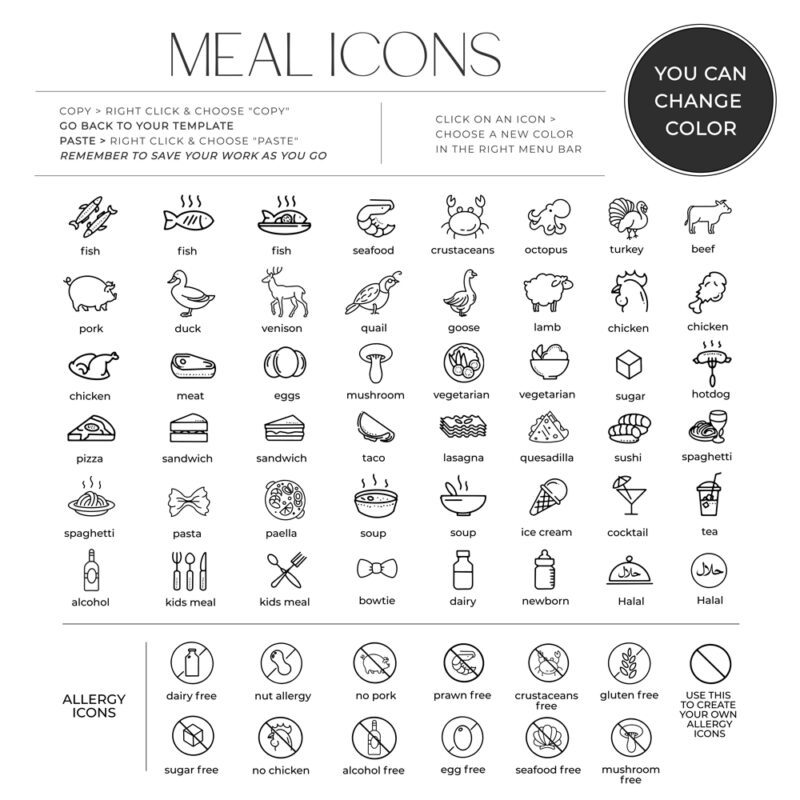
If meal options are listed, write the initials of each guest next to their chosen dish. This helps the couple give the caterer an exact count for each option. If there is a line for dietary restrictions, be sure to clearly note any serious allergies or requirements (e.g., “Gluten-Free,” “Nut Allergy”).
The All-Important “By” Date
The “RSVP by” date is not a suggestion. It is a firm deadline the couple needs to meet for their vendors. Always aim to send your reply back well before this date. Place the stamped, pre-addressed envelope in the mail as soon as you know your plans.
QR Codes on Wedding Invitations
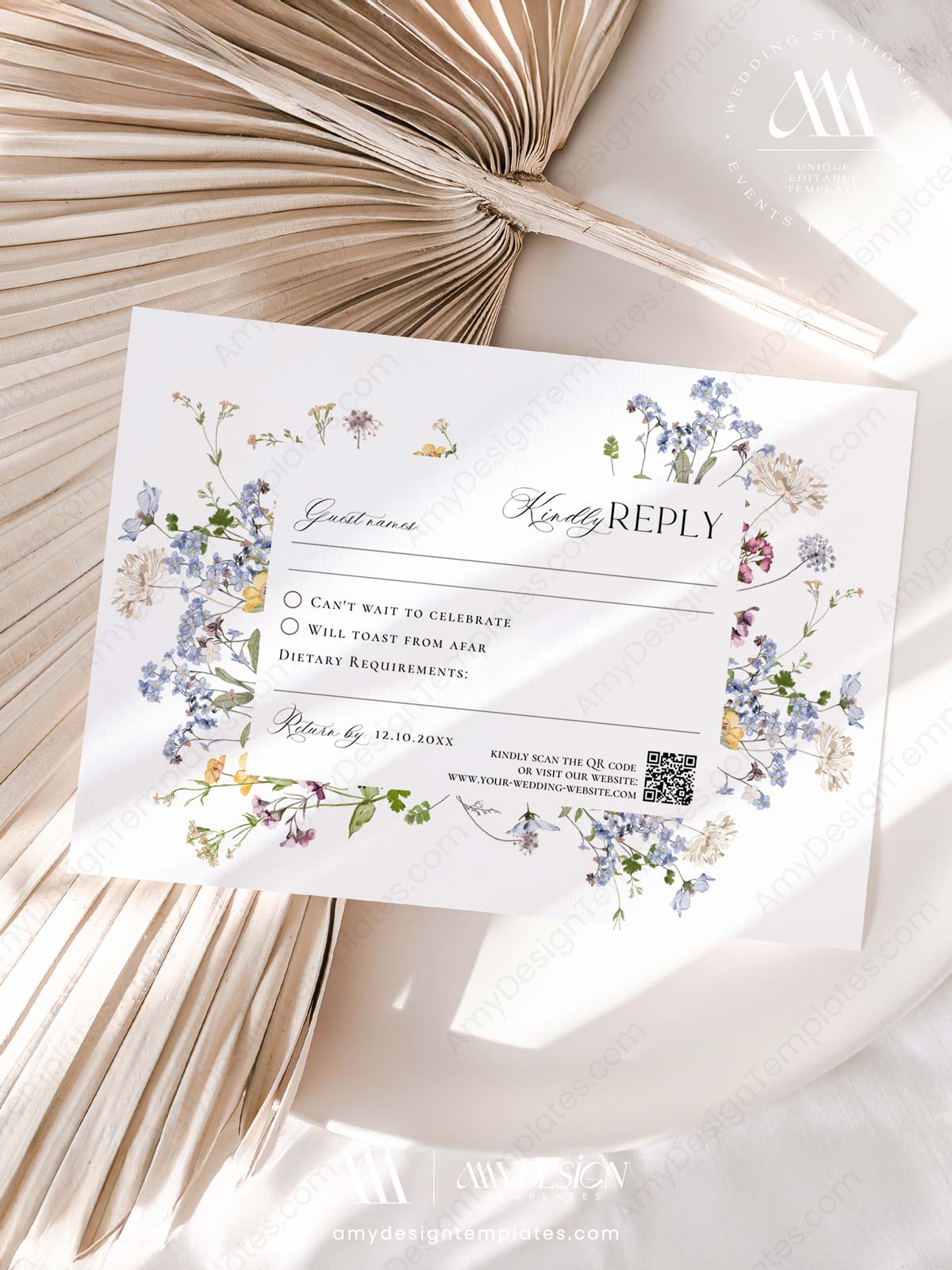
Many modern templates, including those from Amy Design, allow for easy integration of a QR code on the invitation or a details card. Guests can scan the code with their smartphone camera and be taken directly to a page where they can RSVP instantly.
This is a fantastic way to build your free wedding website and manage responses in one place.
Pros and Cons of Going Digital
- Pros: Digital RSVPs are fast, eco-friendly, and make tracking responses incredibly easy for the couple.
- Cons: This method can feel less formal than a traditional card and may pose a challenge for older or less tech-savvy guests.
RSVP Etiquette: Key Dos and Don’ts
When in doubt, following some simple rules of etiquette will ensure you are the perfect wedding guest. For more tips, you can always consult expert wedding etiquette advice from leading wedding resources like Minted or WeddingWire.
- DO respond on or before the RSVP deadline.
- DON’T assume you have a “plus-one” if your invitation wasn’t addressed to you “and Guest.” The names on the envelope indicate exactly who is invited.
- DO fill out the card completely and legibly.
- DON’T RSVP “yes” unless you are 100% committed to attending. Changing a “yes” to a “no” at the last minute can cause major issues for the couple.
- DO mail the RSVP card back, even if you have already told the couple your plans in person. They need the physical or digital record for tracking.
By understanding the meaning and importance of the RSVP, you play a vital role in helping a couple’s wedding day come together smoothly. It’s a small gesture of respect that speaks volumes and is the first step in celebrating a beautiful new beginning.
Frequently Asked Questions (FAQ)
What if I forget to RSVP by the deadline?
If you miss the deadline, contact the couple immediately with your sincere apologies and your response. Do not wait for them to contact you, as this can be an awkward and stressful task for them.
Can I change my RSVP from “yes” to “no” or vice versa?
Changing from a “no” to a “yes” is tricky, as the couple may have already given their final numbers. You can ask, but understand if they can’t accommodate you. Changing from a “yes” to a “no” should only be done in the case of a true emergency or illness.
How do I know if I can bring a guest (a “plus-one”)?
The invitation will tell you. If it is addressed to “Your Name and Guest,” you are invited with a plus-one. If it is addressed only to you, then the invitation is just for you. Never add a guest who was not explicitly invited.
Do I need to send the RSVP card back if I’ve already told the couple I’m coming?
Yes, absolutely. Couples are tracking dozens or even hundreds of responses, and they need your official reply—whether by mail or online—to keep their guest list accurate.



Pingback: Terracotta Invitations With RSVP: The Complete Suite Guide
Pingback: 4 Wildflower Wedding Theme With RSVP Templates | Amy Design